Choosing a Learning Management System for HR
- June 26, 2026
- Posted by: Mike Braun
- Category: Uncategorized
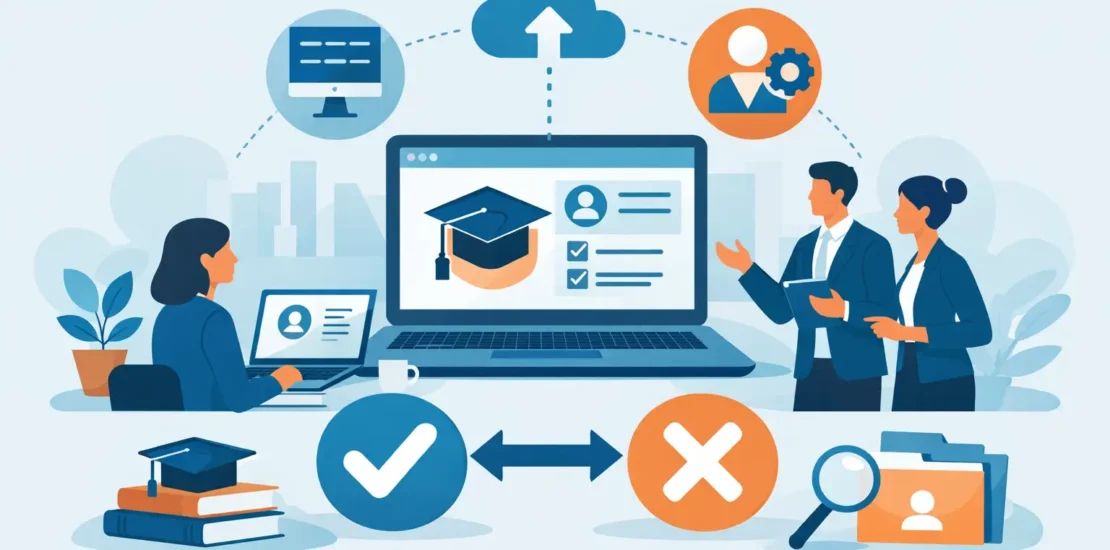
Most HR teams do not start shopping for software because they have extra time. They start because training is scattered, policies are hard to track, onboarding varies by manager, and compliance deadlines keep creeping closer. A learning management system for HR helps bring that work into one place, but not every platform solves the same problem.
For employers, especially small to mid-sized businesses, the real question is not whether training matters. It does. The better question is what kind of system will actually reduce risk, support employees, and fit the way your organization operates. That is where a lot of buying decisions go off course. Companies often choose based on a long feature list, then realize six months later that the system is hard to manage, rarely used, or disconnected from their broader HR strategy.
What a learning management system for HR should actually do
At its core, an HR-focused learning management system should make training easier to assign, easier to complete, and easier to document. That sounds simple, but the value is in how those pieces come together.
HR leaders are usually managing a mix of priorities. New hire onboarding needs to be consistent. Harassment prevention and workplace safety training need to be documented. Managers need support on hiring, performance conversations, and leave administration. Employees may need role-specific training, policy updates, or benefits education. If all of that lives in email chains, shared drives, paper sign-offs, and reminders on someone’s calendar, mistakes are almost guaranteed.
A good system gives HR visibility. You can assign courses by role, department, or location, see who has completed required training, send reminders, and maintain a record when questions come up later. That matters for day-to-day efficiency, but it also matters when an employee issue, claim, or audit puts your documentation under a microscope.
Why HR needs a different lens than other departments
Many learning platforms are built with sales enablement or customer education in mind. Those systems may work well for product training, but HR has a different set of responsibilities.
HR training often carries compliance implications. Deadlines matter. Reporting matters. Policy acknowledgments matter. You may need to show that a specific employee completed a required course by a certain date and understood a revised handbook policy. That is different from simply offering optional professional development content.
There is also a people strategy component. HR is not just delivering content. It is shaping first impressions during onboarding, reinforcing workplace expectations, and helping managers lead more effectively. So the right platform should support both protection and performance. If it only handles one side of that equation, it may not serve your business well over time.
The features that matter most
The best buying decisions usually start with a clear use case. If your biggest issue is compliance training, reporting and documentation should lead the conversation. If your challenge is a messy onboarding process, task sequencing and automated assignments become more important.
Most HR teams should look closely at course assignment rules, completion tracking, reminders, reporting, mobile access, and ease of administration. A clean user experience matters more than many employers expect. If employees cannot log in easily or managers avoid the platform because it is clunky, adoption will suffer.
Content matters too, but this is where trade-offs come in. Some employers want a platform with a built-in training library. Others already have policies, presentations, and internal content they want to upload. One option is not automatically better than the other. A built-in library can save time, especially for compliance basics, but custom content is often necessary when you need training that reflects your own workflows, culture, or handbook requirements.
Integration is another practical issue. If your learning management system works in isolation, HR may end up entering employee data twice or chasing user updates manually. For a smaller employer, that may be manageable. For a growing company with multiple locations or frequent hiring, it can become an administrative burden quickly.
Common mistakes when selecting a learning management system for HR
One common mistake is buying for the future and ignoring the present. It is tempting to choose the system with the most advanced features, assuming you will grow into it. Sometimes that works. Often, it means paying for complexity your team will not use.
Another mistake is focusing too narrowly on price. Cost matters, especially for budget-conscious employers, but the least expensive option can become costly if HR staff spend hours managing workarounds or if training records are unreliable when you need them.
A third mistake is treating implementation like an afterthought. Even a strong platform needs planning. Someone has to decide what training is required, how courses will be assigned, who owns updates, and what reports leadership needs to see. Without that structure, the system becomes a storage bin instead of a management tool.
It is also easy to overlook the employee experience. If training feels confusing, repetitive, or irrelevant, completion rates drop and resentment goes up. A platform should make expectations clear and keep the learning process straightforward.
How HR leaders can evaluate fit
The strongest evaluation process usually begins with operational questions, not software demos. What training do you need to deliver in the next 12 months? Which items are legally sensitive, which are policy-driven, and which are developmental? Who needs access to reporting? How often does your workforce change? What would make administration easier for your team?
Once those answers are clear, the software conversation gets sharper. Instead of asking whether a system has reporting, you can ask whether it produces the reports HR actually needs. Instead of asking whether it supports onboarding, you can ask whether it can assign training by hire date, job role, and manager.
This is also the point where support matters. A platform may be technically capable, but if your team needs guidance on rollout, content decisions, or alignment with broader HR processes, software alone is not enough. Many employers benefit most when the learning tool sits within a larger support structure that includes HR resources, benefits strategy, and practical guidance on employee management.
Where training connects to benefits and retention
Training systems are often discussed as a compliance purchase, but that view is too narrow. A well-used platform can improve consistency across the employee experience, which affects retention more than many employers realize.
When onboarding is organized, employees understand expectations earlier. When managers receive training, they are better prepared to handle leave issues, documentation, and team communication. When policy updates are distributed clearly, confusion drops. And when employees can access useful education, including benefits-related information, they are more likely to use the programs you are investing in.
That last point is especially relevant for employers trying to get more value from their benefits strategy. Benefits are not just about plan design. They are also about employee understanding. If people do not know how to use a health plan, enroll in voluntary benefits, or recognize available support resources, even a strong benefits package can feel underused or undervalued.
When a simpler solution may be enough
Not every employer needs a large, enterprise-grade platform. If your workforce is small, your training needs are limited, and your compliance requirements are straightforward, a simpler system may be the better choice. The goal is not to buy the most software. The goal is to create a repeatable, defensible process that HR can maintain.
That is why the right answer often depends on your team structure, growth plans, and risk profile. A business with seasonal hiring, multiple supervisors, and recurring compliance requirements will likely need more automation and reporting than a stable office with a small headcount. There is no one-size-fits-all answer, and that is exactly why guidance matters.
For employers that want more than a standalone tool, this is where a strategic advisor can add value. Franklin Benefits Group supports employers with benefits planning and HR tools that help make administration more manageable, including resources that strengthen training and internal processes. That kind of support can be especially useful when HR teams are being asked to do more without adding staff.
The right learning management system should make HR’s job clearer, not harder. If it helps you document what matters, train people consistently, and support a better employee experience, it is doing its job. Start there, and the technology decision becomes a business decision with real staying power.