
Introduction
Shopping for your own health insurance? Sticker shock is common. The national average premium for an individual Marketplace plan hit $619 per month before subsidies in 2026, according to a CMS Open Enrollment Report.
After tax credits, the average enrollee paid closer to $178 a month.
That “average” still misleads. Your premium depends on age, ZIP code, income, and metal tier. A 24-year-old in Philadelphia and a 62-year-old in rural Vermont can see bills that differ by hundreds of dollars a month.
This guide breaks down real pricing by plan tier, the factors that swing your cost up or down, the hidden expenses beyond your monthly bill, and how to build a budget that actually fits your situation.
Key Takeaways
- Unsubsidized individual premiums average $619/month nationally in 2026; most enrollees pay far less after tax credits
- Age, location, tobacco use, and plan tier drive most of the price difference between two people's quotes
- Younger adults in lower-cost states often pay hundreds less per month than older adults in high-premium states like Vermont or New York
- A higher premium isn't automatically the worse deal: total annual cost depends on your expected care use and out-of-pocket spend
How Much Does Individual Health Insurance Cost? (Pricing Overview)
There's no fixed sticker price for individual health insurance. Your premium depends on the metal tier you choose, your age, where you live, and whether you qualify for financial assistance.
Before you start comparing numbers, watch out for three common mistakes:
- Ignoring subsidy eligibility and assuming the full "sticker price" premium is what you'll pay
- Fixating on the monthly premium while overlooking deductibles and out-of-pocket maximums
- Choosing the cheapest plan without checking whether your doctors are in-network
2026 Marketplace averages show how much subsidies change what people actually pay:
- $619/month — average premium before subsidies
- $178/month — average after premium tax credits (subsidized and unsubsidized enrollees combined)
- ~$50/month — CMS projection for eligible shoppers on the lowest-cost plan after credits
Those lower figures are the norm, not the exception: 87% of 2026 Marketplace enrollees selected a plan with premium tax credits applied. Most shoppers never pay the full listed price.
National figures for a 40-year-old help frame the metal tiers side by side:
| Metal tier | Insurer covers | Avg. deductible | Sample premium |
|---|---|---|---|
| Bronze | ~60% | ~$7,476 | ~$456/mo |
| Silver | ~70% | ~$5,304 | ~$625/mo |
| Gold | ~80% | ~$1,722 | ~$615/mo |
| Platinum | ~90% | Lowest | Highest |
Bronze Plans
Bronze plans carry the lowest premiums and the highest deductibles. The insurer covers roughly 60% of costs, and you cover the remaining 40% out of pocket.
Best for: Young, healthy individuals who rarely see a doctor and want catastrophic-style protection at the lowest possible monthly cost.
Silver Plans
Silver plans split costs closer to 70/30 between insurer and enrollee. Silver is also the only tier eligible for Cost-Sharing Reductions (CSR), which can push the insurer's paid share up to 73–96% for lower-income enrollees.
Best for: Low-to-moderate income enrollees who want both subsidy eligibility and manageable deductibles.
Gold & Platinum Plans
Gold plans cover about 80% of costs and bring average deductibles down near $1,722. Platinum plans, where available, push the insurer-paid share to about 90% with even lower per-visit costs, though premiums climb higher still.
Best for: People managing chronic conditions or frequent medical needs who want predictable costs at the point of care instead of the lowest monthly bill.

Key Factors That Affect the Cost of Individual Health Insurance
Under ACA rules, insurers can only price individual plans based on a handful of factors: age, location, tobacco use, plan category, and household income for subsidy purposes. Everything else — including your medical history — is off the table.
Age
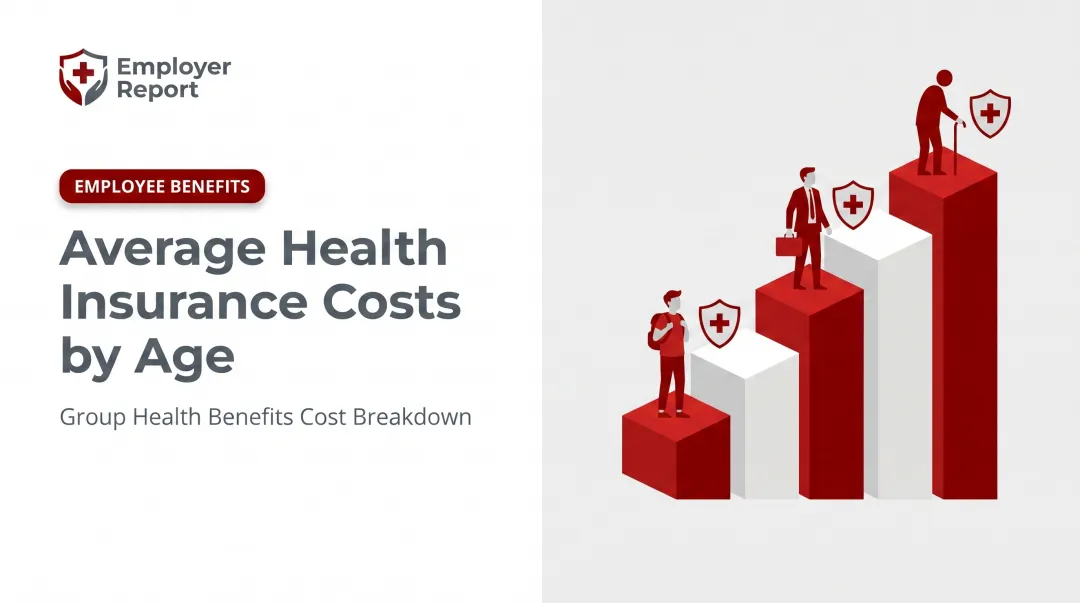
Premiums rise steadily with age. Insurers can legally charge a 64-year-old up to three times more than a 21-year-old for the same plan.
Using CMS's federal age-curve factors, a 21-year-old's rate carries a factor of 1.000, while a 60-year-old's factor is 2.714. So a $300/month plan at age 21 could translate to roughly $814/month at age 60 for the identical coverage, before any subsidy is applied.
Location (State and County)
Where you live has a major effect on price. Healthcare costs, insurer competition, and state regulations all shape local premiums. Compare these 2026 benchmark Silver premiums for a 40-year-old:
| State | Lowest Bronze | Benchmark Silver | Lowest Gold |
|---|---|---|---|
| Pennsylvania | $364 | $572 | $478 |
| Maryland | $283 | $414 | $404 |
| New York | $610 | $817 | $1,057 |
| Connecticut | $623 | $870 | $805 |
| Vermont | $824 | $1,299 | $1,135 |
Vermont, Connecticut, and New York rank among the priciest states, though that's not universal across the Northeast — Pennsylvania and Maryland actually land below the national benchmark. Rural areas have historically seen higher premiums too, largely because smaller risk pools and thinner insurer competition drive prices up.
Tobacco Use
Insurers can charge tobacco users up to 50% more in most states, though some states limit or ban the surcharge entirely. This is one of the few pricing factors you can actually control. Quitting can improve your health and lower your premium.
Metal Tier and Plan Type (HMO, PPO, EPO, HDHP)
Metal tiers set the premium versus out-of-pocket tradeoff. Bronze plans cost less each month but come with higher deductibles; Gold and Platinum flip that balance. Silver sits in the middle, anchors subsidy calculations, and is the only tier where income-based cost-sharing reductions apply.
Network design also affects cost and flexibility:
- HMO/EPO plans: Generally cheaper, but limit you to in-network providers except in emergencies
- PPO plans: Cost more but let you see out-of-network doctors without a referral
- HDHP plans: Lower premiums paired with higher deductibles, often eligible for HSA pairing
Network breadth carries a real price tag. A KFF analysis of 2021 Silver plans found that plans covering more than half of area physicians cost about 8% more, translating to roughly $37 more per month for a 40-year-old, than plans with narrower networks.
Income and Subsidy Eligibility
Premium tax credits are calculated against the federal poverty level (FPL). For 2026, the credit generally applies to households earning 100%–400% FPL — that's $15,650 to $62,600 for a single person.
Depending on where you fall in that range, you're expected to contribute somewhere between 2.1% and 9.96% of income toward the benchmark Silver premium. Move above or below that income band, and your effective monthly cost can shift by hundreds of dollars.

Understanding the Full Cost: Premiums, Deductibles, Copays, and Out-of-Pocket Max
Your premium is only part of what you'll pay. The real cost of coverage shows up across four components:
- Premium: The fixed monthly payment to keep your plan active, regardless of whether you use it
- Deductible: What you pay out of pocket before your plan starts sharing costs; resets every year
- Copay and coinsurance: Copays are flat per-visit fees; coinsurance is a percentage you pay after meeting your deductible
- Out-of-pocket maximum: The annual ceiling on what you'll pay; once you hit it, your plan covers 100%
For 2026, the out-of-pocket maximum for individual Marketplace coverage is $10,600, and $21,200 for family coverage. Some plans set lower caps, but insurers can't exceed these federal limits.
A Bronze plan with a $50/month premium looks cheap until you break a bone and owe $7,000 toward your deductible. A Gold plan with a higher premium might actually cost less overall if you see doctors frequently. Run the full math, not just the monthly number.
How to Lower Your Health Insurance Costs and Find the Right Budget
The right price comes from matching coverage to how you actually use healthcare, not from chasing the lowest premium alone.
- Check subsidy eligibility first. Premium tax credits and cost-sharing reductions can cut your effective monthly cost substantially, sometimes by hundreds of dollars.
- Match plan tier to expected usage. Rarely visit the doctor? A Bronze or HDHP plan likely makes sense. Managing an ongoing condition? Silver or Gold often costs less overall despite the higher premium.
- Consider an HDHP paired with an HSA. You get a lower premium plus a tax-advantaged account for predictable medical expenses.
- Get a second set of eyes on your options. Comparing plans across multiple carriers, checking subsidy math, and verifying network access takes real time to do right.
This last step is where a lot of people get stuck. Shopping the Marketplace alone, you can miss a subsidy you qualify for or choose a plan that leaves your doctor out of network.
Franklin Benefits Group, a Pennie Certified Broker in Bucks County, PA, helps individuals and families across Bucks and Montgomery Counties compare multi-carrier options and confirm subsidy eligibility. You pay no extra fee—compensation comes through carrier commissions.

Conclusion
There's no single "average" cost that applies to every individual shopper. Your age, ZIP code, tobacco status, income, and plan tier all move the number in different directions, sometimes by hundreds of dollars a month.
What matters more than chasing the lowest premium is understanding how premium, deductible, copay, and out-of-pocket costs work together. The right plan balances what you can afford today against protection from a much larger bill down the road.
Getting that balance right usually takes more than a quick online quote. It takes someone who can walk through your specific numbers with you. Franklin Benefits Group helps individuals and families across Pennsylvania compare those tradeoffs and choose coverage that fits.
Frequently Asked Questions
What is the average monthly cost of health insurance for an individual?
The 2026 national average is $619/month before subsidies and about $178/month after tax credits. Premiums of $200–$600 usually fall in the normal range once age, subsidy eligibility, and plan tier are factored in—not automatically expensive by national standards.
How much does health insurance cost per month without a subsidy?
Without any subsidy, the national average runs $619/month in 2026. Older adults and shoppers in high-premium states like Vermont, Connecticut, or New York often pay more.
Why is individual health insurance so expensive?
Rising healthcare and prescription costs, insurer risk pooling, age-based rating, and regional differences in cost-of-care all push premiums upward. Insurers must also cover a broad range of medical needs across their entire enrollee pool.
What is the cheapest health insurance plan for one person?
Bronze plans and HDHPs typically carry the lowest premiums, though with higher deductibles. Catastrophic plans, available mainly to people under 30, can cost even less but offer minimal coverage until a high deductible is met.
How do I know if I qualify for financial help to lower my health insurance costs?
Eligibility depends on your household income relative to the federal poverty level, generally between 100% and 400% FPL for premium tax credits. You can check eligibility through HealthCare.gov or by working with a licensed broker.
Should I buy health insurance directly online or work with a broker?
A licensed independent broker like Franklin Benefits Group compares plans across multiple carriers at no cost to you and can flag subsidies that self-service shopping often misses.